Decoration follows the fabric
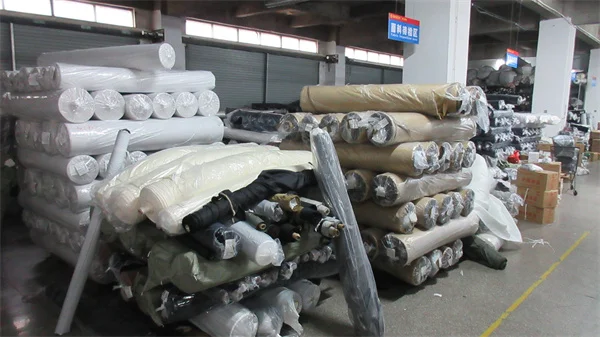
A print that works on flat combed cotton can fail on brushed fleece, crinkle nylon or Melton wool. Pile absorbs ink, coatings repel it, and stretch changes how a motif sits after washing. Every decoration method should be tested on the actual substrate before bulk.
That test covers adhesion, stretch recovery, wash durability and hand-feel. It also shows whether fine lines survive. A one-millimetre detail that looks clean on screen may disappear on a textured surface.
Screen print and high-density print
Screen print is the workhorse for flat graphics, typography and large colour blocks. It is opaque, durable and predictable when the artwork is separated correctly. Water-based inks sit softer in the fabric; plastisol sits on top with more colour punch.
High-density print uses a thicker ink deposit to create a raised, sharp-edged graphic. It holds fine detail well and reads as a premium finish on heavyweight jersey and fleece. The trade-off is a firmer hand-feel over large areas.
For screen print, send vector artwork with spot colours. For high-density, keep very fine reversed lines in mind — the ink deposit needs enough room to build.
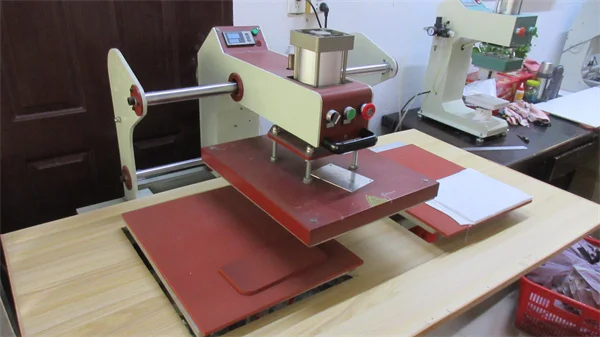
3D puff print
Puff print adds a foam layer to the ink, so the graphic rises off the surface. It is the finish behind many 90s and Y2K streetwear looks, and it works best with bold shapes, block lettering and simple silhouettes.
Fine detail is limited by the foam expansion. Very small counters, thin strokes and tight gradients are better handled by high-density or embroidery. Puff also needs a fabric that can take the heat of the press without scorching or glazing.
Test the puff height and the wash result on the approved fabric. A puff that looks right on the sample table but flattens after five washes is not a decoration, it is a sample-only effect.
Embroidery, chenille and appliqué
Embroidery adds stitch texture and a clear premium signal. It is well suited to logos, small chest marks, sleeve hits and dense back panels. The stitch file, backing and stitch count all affect how the motif sits on stretch or pile.
Chenille uses a thicker yarn to create a raised, fuzzy patch effect. It is a natural fit for varsity jackets and collegiate-style artwork. Appliqué builds the motif from cut fabric panels, often combined with embroidery for outline and detail.
On heavyweight fleece, embroidery needs enough backing to stop the motif sinking into the pile. On nylon, the fabric needs stabilisation so the stitches do not pucker. Both are solvable, but they are decisions to make at sampling, not after bulk starts.
Rhinestones and hot-fix
Hot-fix rhinestones are applied with heat and pressure. They can cover a full front, outline a graphic, or add small accents to a print. The result is high-impact and photographically strong, which is why it appears across Y2K and gothic streetwear.
The fabric must tolerate the application temperature, and the motif must be built so the stones have enough contact area. Very small clusters and sharp points need testing. Wash care matters too: the care label should match the adhesive's real-world performance.
Rhinestone artwork should arrive as a production file with stone size, colour and placement. A low-resolution image cannot be converted into a reliable motif without redrawing.
Thermal transfer and digital print
Thermal transfer and digital print handle gradients, photographic artwork and multi-colour designs that would need many screens. They are useful for small runs, complex artwork and sampled colourways.
The trade-offs are hand-feel and durability. A transfer sits on the fabric and can feel firmer than a water-based screen print. Adhesion and stretch recovery need to be tested on the actual shell, especially on nylon and stretch knits.
Use transfer where the artwork demands it, and screen or high-density where a softer hand and a long production life matter more.
A quick selection table
| Method | Best for | What to watch |
|---|---|---|
| Screen print | Flat graphics, typography, large colour blocks | Colour separations, ink feel, stretch |
| High-density | Sharp raised graphics, fine detail | Firmer hand over large areas |
| 3D puff | Bold shapes, retro relief | Limited fine detail, heat sensitivity |
| Embroidery | Logos, chest marks, back panels | Backing, pile, stitch density |
| Chenille | Varsity patches, collegiate artwork | Yarn thickness, edge definition |
| Rhinestone | Full-front motifs, accents | Fabric heat tolerance, adhesion |
| Thermal transfer | Gradients, photos, small runs | Hand-feel, wash durability |
Artwork checklist
- Vector files for print, with spot colours named.
- Stitch files or high-resolution artwork for embroidery and chenille.
- Stone size, colour and layout for rhinestones.
- Placement measured from a fixed point, not “centre chest”.
- Print size in centimetres, with a tolerance.
- A note on which fabric the decoration will sit on.
Send the artwork with the tech pack and the fabric direction. If the method is still open, say what look you want and let the sampling stage test two options. The capabilities page lists the decoration processes used across the six categories.