Step one: reference and quote
The first step is a short brief: the style or reference, the target quantity, the fabric direction, the decoration and the destination. From that, feasibility is confirmed and a quote is prepared with the sampling plan.
This is also where open questions are surfaced. If a fabric needs to be sourced, a trim needs a minimum, or a decoration needs testing, it is better to know before the sample is built. The contact page lists what to include in the first message.
Step two: build and approve the sample
The sample is where the garment becomes real. Fabric and trims are sourced, the pattern is cut, the decoration is applied and the construction is sewn to the agreed spec. The sample is then checked for fit, measurements, colour, decoration and finish.
Comments should be consolidated into one clear round: what passes, what changes, and what is still open. The approved sample is signed off in writing. That approval is what bulk is measured against, so it should cover the details that matter — not only the look.
If a change is requested after approval, the quote and production plan may change. That is why the approval round is worth taking seriously.
Step three: bulk production
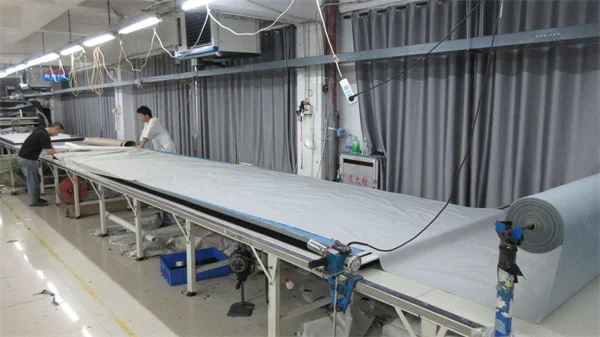
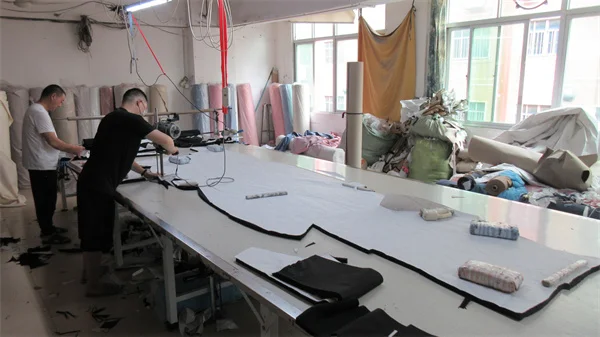
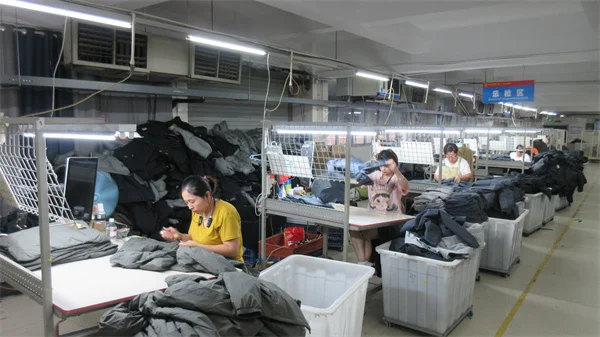
Bulk starts after the approved sample and the agreed deposit. Fabric is checked against the approved swatch, panels are cut and bundled by size and colour, decoration is applied, and the garments move through sewing and finishing.
Checks run during production, not only at the end. Measurements, stitch density and decoration placement are checked in-line, and the final inspection covers sizes, colourways and packing before the cartons are sealed.
The seven documented stages on the factory page show the route: materials, cutting, decoration, sewing, inspection, packing and dispatch.
What lives in the approved sample
- The measurements and tolerances for each size.
- The approved fabric, colour and wash result.
- The decoration method, size, placement and colours.
- The trims, labels and hardware.
- The folding, bagging and carton spec.
When these are fixed on one sample, bulk has a single reference. When they are spread across emails and images, the line has to interpret, and interpretation is where variation enters.
Where delays usually come from
Most delays are not caused by sewing. They come from late artwork, a colour change after the sample, unclear or conflicting comments, a fabric that needs sourcing, or a packing spec that is decided after production.
The remedy is simple: send the artwork and the fabric direction early, consolidate comments, and confirm the packing spec before bulk starts. If a decision is still open, mark it as open and give a deadline.
What to confirm before bulk starts
Before production begins, confirm in writing:
- The approved sample and the approved colour swatch.
- The size breakdown and the total quantity per colourway.
- The decoration placement and artwork files.
- The labelling and packing specification.
- The inspection arrangement and the shipping destination.
That package is the order. It protects both sides, and it makes a repeat order straightforward. If you are ready to start, send the brief through the contact page.